Top 10 Signs You Need an Exterminator in Santa Clara
Common signs you need an exterminator in Santa Clara include seeing pests in daylight, finding droppings, hearing noises in walls, noticing gnaw marks or damaged wood, and getting recurring bites. Even one or two of these usually means it is time to call a professional, since visible activity often points to a larger hidden population.
Did you know that pests cause billions of dollars in damages annually across the United States? Santa Clara is no exception. Whether it's termites silently eating away at your home or rodents causing chaos in your attic, recognizing the early signs of a pest infestation can save you time, money, and stress. In this article, we'll explore the top 10 signs that you need an exterminator in Santa Clara.
1. Visible Pests
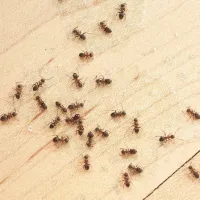
Seeing a few ants or a cockroach scurrying across your kitchen floor might seem minor, but it often indicates a larger hidden problem. Common pests in Santa Clara, like ants, cockroaches, and rodents, rarely travel alone. If you spot one, there's likely a colony nearby.
- Look for pests in hidden areas like behind appliances or inside cabinets.
- Check for dead insects near windowsills or light fixtures.
- Monitor any entry points like doors and windows for increased activity.
2. Droppings or Urine
Finding pest droppings or urine stains is a clear sign of an infestation. Rodent droppings, for example, are small, dark, and pellet-shaped. Cockroach droppings look like ground coffee or black pepper. These waste products can be found in areas where pests feed, travel, or nest.
- Inspect dark, undisturbed areas like basements or attics.
- Use a flashlight to look under furniture or appliances.
- Check for urine stains or a musty smell in hidden corners.
3. Unusual Noises
Pests such as rodents and insects can make various noises as they move around your home. Scratching, scurrying, or gnawing sounds in walls, ceilings, or attics are strong indicators of an infestation. These noises are often most noticeable at night when pests are most active.
- Listen for sounds in the attic, especially at night.
- Tap walls lightly to check for hollow areas that might indicate nests.
- Note the frequency and location of noises to help identify the pest.
4. Damaged Plants or Garden
Pests don't just invade your home, they can also wreak havoc on your garden. Look for chewed leaves, stems, or holes in your plants. Outdoor pests like aphids, caterpillars, and beetles, as well as indoor invaders like spider mites, can cause significant damage.
- Inspect leaves for discoloration or unusual patterns.
- Check the soil for signs of burrowing insects.
- Look for webs or small insects on the underside of leaves.
5. Nests or Hives
Finding nests or hives around your property is a surefire sign that pests are present. Rodents build nests from shredded materials like paper or fabric, while insects such as wasps create hives out of chewed wood or paper. These structures are often found in hidden or sheltered areas.
- Look in attics, basements, and crawl spaces for nests.
- Check outdoor structures like sheds and garages for hives.
- Examine tree branches and eaves for wasp nests.
6. Gnaw Marks or Holes
Rodents and other pests need to gnaw to keep their teeth sharp. Look for gnaw marks on furniture, walls, electrical wires, and food packaging. Holes chewed through these items can be a strong indicator of a rodent problem.
- Inspect electrical wiring for signs of gnawing.
- Look for small holes in walls or floors.
- Check furniture legs and corners for bite marks.
7. Grease Marks or Tracks
Rodents, particularly rats, often leave greasy marks or tracks along their regular routes. These marks are caused by the oils and dirt from their fur rubbing against walls and surfaces. Look for these tell-tale signs along baseboards and walls.
- Use a flashlight to spot greasy trails in dark areas.
- Check for footprints in dusty or muddy areas.
- Look for smudge marks on walls where rodents travel frequently.
8. Unpleasant Odors
Pests can produce a variety of unpleasant odors. Rodents may emit a musky smell, while cockroaches produce an oily, musty odor. Dead pests or their droppings can also contribute to these bad smells. If you notice any unusual odors, it could be a sign of an infestation.
- Identify areas with persistent, unexplained odors.
- Check for dead pests in hidden spaces like behind furniture.
- Consider the smell's source: food, droppings, or nesting materials.
9. Damaged Food Packages
Pests are always on the lookout for food. If you find food packages with holes, tears, or other signs of tampering, pests have likely invaded your pantry. This is common with rodents and insects like pantry moths or beetles.
- Inspect pantry shelves for spilled or chewed food.
- Check packaging for tiny holes or tears.
- Look for signs of webbing or larvae inside food containers.
10. Structural Damage
Termites and other wood-destroying pests can cause serious structural damage to your home. Look for signs such as hollow-sounding wood, blistering or peeling paint, and mud tubes on exterior walls. Addressing these issues promptly with a professional exterminator can prevent further damage.
- Tap wooden structures to check for hollowness.
- Look for mud tubes along foundations and walls.
- Inspect wooden beams and supports for weakness or damage.
Call Western Pest Control: Santa Clara's Local Exterminator
Recognizing the early signs of a pest infestation can save you a lot of trouble in the long run. If you notice any of these top 10 signs in your home, it's time to call a professional exterminator. Don't wait until the problem escalates, act quickly to protect your home and family. A prompt response can prevent minor issues from turning into major damage. Contact Western Pest Control's most reliable exterminator in Santa Clara today to ensure your home remains safe, clean, and pest-free. Your peace of mind is just a phone call away.